
Views: 0 Author: Site Editor Publish Time: 2026-07-24 Origin: Site


Packaging failures caused by punctures, pinholing, and flex-cracking represent massive financial and reputational risks for manufacturers. Product spoilage, compromised sterility, and supply chain rejection directly impact profit margins and brand trust. Packaging engineers face a constant, difficult balancing act. You must achieve downgauging targets to reduce material thickness and freight weight, yet you still have to meet the strict mechanical requirements demanded by sharp, heavy, or aggressive products.
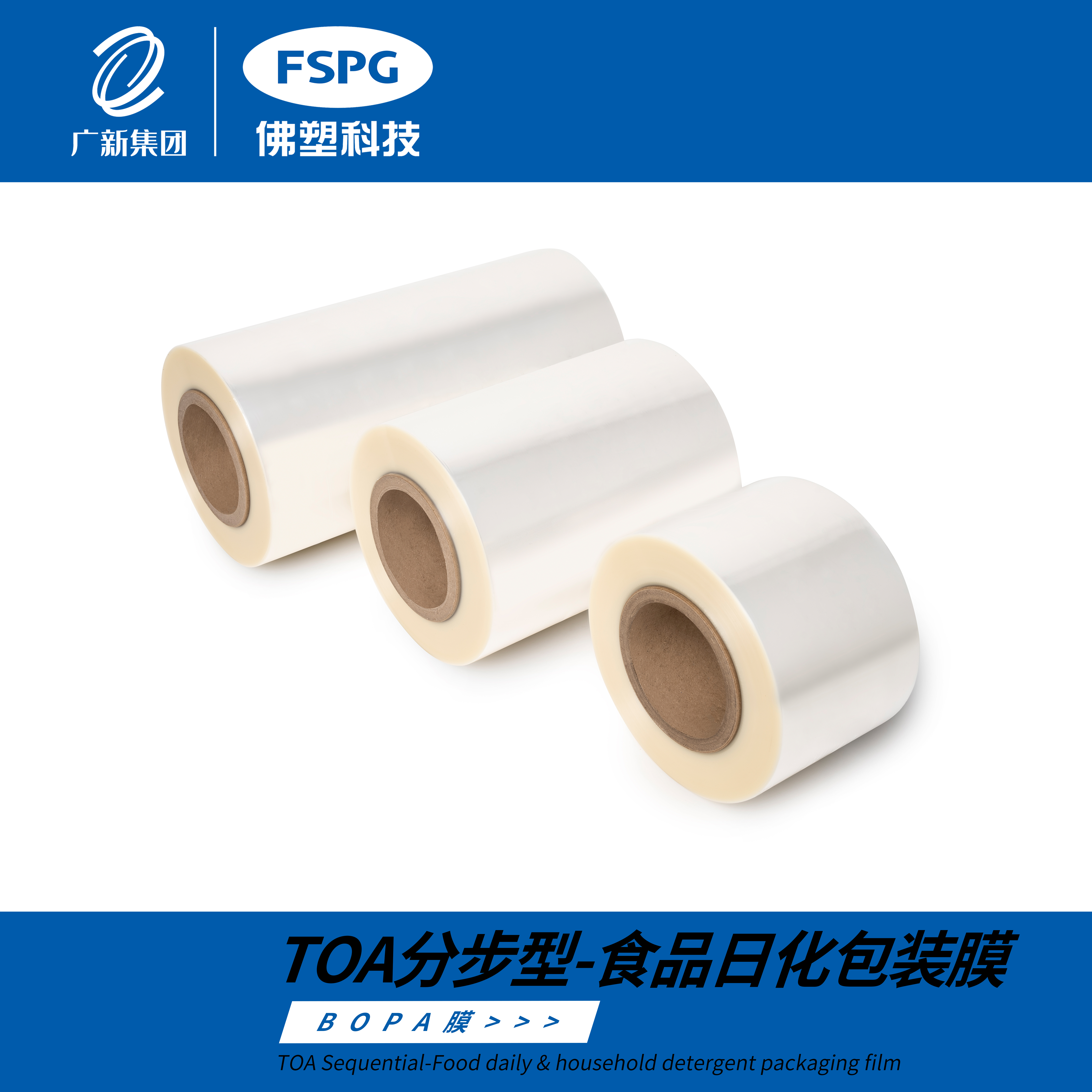
BOPA FILM serves as a specialized substrate engineered specifically to solve these severe puncture and impact challenges. Standard commodity plastics often fail when subjected to bone-in meats or heavy industrial drops. This guide evaluates the mechanical properties, comparative advantages, and implementation realities of using Biaxially Oriented Polyamide Film in demanding packaging applications.
Mechanical Superiority: BOPA film offers exceptional toughness, absorbing high levels of kinetic energy before yielding, making it ideal for sharp or frozen products.
Biaxial Advantage: The stretching process in both machine and transverse directions aligns polymer chains, exponentially increasing tensile strength and flex-crack resistance compared to cast nylon.
Strategic Trade-offs: While offering superior puncture resistance, BOPA is highly hygroscopic; moisture management during converting and storage is critical to maintaining dimensional stability.
ROI Justification: The higher upfront cost of BOPA is typically offset by reduced return rates, extended shelf life, and the ability to downgauge overall laminate structures.
Evaluating puncture resistance requires specific metrics and standardized test methods to ensure materials survive real-world abuse. Packaging engineers rely on a battery of tests to quantify durability. ASTM F1306 measures slow-rate penetration resistance, simulating a sharp object slowly pressing into the flexible barrier. This test helps determine the peak force and energy required to rupture the material. ASTM D1709 and ISO 7765 assess dart drop impact resistance, which replicates the sudden kinetic shock of a dropped package. ASTM D3763 provides instrumented impact testing data, offering a detailed curve of load versus displacement. These standards ensure packaging materials meet the rigorous demands of modern supply chains, providing empirical data rather than relying on guesswork.
Testing a standalone monolayer film differs significantly from testing a complete multilayer laminate structure. You cannot judge a package's final performance solely on the outer web. The elastomeric behavior of the sealant layer, such as linear low-density polyethylene (LLDPE) or metallocene polyethylene (mPE), works synergistically with the high modulus of the polyamide layer. When a sharp object presses against the laminate, the softer PE layer stretches and distributes the localized stress across a wider area. The rigid, tough outer layer then absorbs the bulk of the kinetic energy. This combination creates a robust barrier capable of absorbing and distributing stress effectively, preventing catastrophic failure.
Packaging fails in various real-world scenarios, and identifying the root cause dictates the material selection. Sharp-edge punctures often occur from the inside out. Products like bone-in meats, dry pasta, and hard coffee vacuum blocks exert continuous, localized pressure on the film. Blunt impact damage results from drops during transit, causing hydraulic shock inside liquid pouches that bursts the seals or the web itself. Flex-cracking happens due to vibration fatigue during long-haul transport. As the truck vibrates, the film folds and unfolds thousands of times, creating micro-fractures or pinholes. Understanding these distinct failure modes is essential for selecting the right packaging materials to mitigate specific transit risks.
There is constant tension between sustainability goals and the physical limits of standard commodity films. Reducing material thickness lowers costs, reduces plastic usage, and cuts freight weight. However, aggressive downgauging with standard polyethylene or polypropylene often compromises structural integrity, leading to higher damage rates. You end up saving money on film but losing it on spoiled goods. High-performance biaxially oriented films provide a solution that maintains high mechanical strength even at reduced gauges. This allows engineers to meet corporate sustainability targets without sacrificing field performance.
Polyamide, commonly known as nylon, possesses inherent toughness derived from its molecular structure. Nylon 6 is the most common base material used for flexible packaging films due to its excellent balance of processability and mechanical strength. Nylon 6,6 and MXD6 offer different crystalline structures and hydrogen bonding characteristics. MXD6, for example, provides a significantly higher gas barrier but is more brittle. The strong hydrogen bonds between the polymer chains in nylon create a dense, resilient network. These properties contribute to the natural strength, thermal stability, and resilience of the resulting film before any orientation even takes place.
The raw cast nylon film undergoes stretching in both the Machine Direction (MD) and Transverse Direction (TD). This biaxial orientation aligns the molecular chains parallel to the surface of the film. It transforms amorphous or semi-crystalline cast nylon into a high-performance substrate. The stretching process induces stress-induced crystallization, which locks the polymer chains into a highly ordered state. This molecular alignment significantly enhances mechanical properties, including tensile strength, puncture resistance, and gas barrier performance, compared to the unoriented cast film.
The method of orientation heavily influences the final film properties.
Sequential Stretching (Tenter Frame): This traditional method stretches the film first in the MD using heated rollers running at different speeds, and then in the TD using a tenter frame inside a massive oven. This two-step process can lead to mechanical anisotropy, where properties are slightly unbalanced between the two directions.
Simultaneous Stretching (LISIM/Double Bubble): This advanced technology orients the film in both directions at the exact same time. The simultaneous process yields highly isotropic mechanical properties. It maximizes puncture and tear propagation resistance equally across all directions, eliminating the weak points often found in sequentially stretched films.
While standard monolayer polyamide films are common, advanced applications require multi-layer co-extruded structures. A common configuration is a BOPA/EVOH/BOPA co-extrusion. Ethylene vinyl alcohol (EVOH) provides an exceptional oxygen barrier, while the outer polyamide layers protect the brittle EVOH from flex-cracking and moisture. These advanced structures deliver both extreme puncture resistance and high gas barrier properties within a single substrate. They are designed for applications requiring maximum protection, extended shelf life, and resistance to aggressive distribution environments.
The physics of puncture resistance rely on a material's ability to dissipate localized stress. Polyamide films feature high elongation-at-break metrics combined with high yield strength. When a sharp bone or dry noodle presses into the film, the polymer network stretches. It absorbs the kinetic energy rather than immediately fracturing under pressure. The hydrogen bonds between the aligned chains act like microscopic shock absorbers. They allow the film to deform significantly before reaching its breaking point, providing a wide safety margin against punctures.
Packaging materials often fail when exposed to extreme temperatures. Standard plastics become brittle in the cold or melt under high heat. Polyamide performs exceptionally well in these harsh environments. It resists embrittlement in deep-freeze applications down to -40°C, making it suitable for frozen foods, heavy ice bags, and cryogenic logistics. Conversely, it maintains thermal stability during retort sterilization at temperatures up to 135°C. The film does not shrink, warp, or lose its barrier properties during the intense heat and pressure of the retort process.
Puncture resistance is closely connected to flexural fatigue. During long-haul transit, flexible pouches undergo severe vibration and folding. This repetitive stress causes micro-punctures, or pinholing, in lesser materials. Polyamide prevents this fatigue failure. ASTM F392 Gelbo Flex testing demonstrates its superior ability to withstand dynamic stresses. In a Gelbo flex test, the film is twisted and crushed thousands of times. Polyamide consistently shows minimal pinhole formation compared to polyester or polypropylene, ensuring the hermetic seal remains intact from the factory to the consumer.
A minor puncture should not result in a destroyed package. Biaxial orientation prevents a small nick from propagating into a catastrophic package split or tear. The aligned molecular structure resists the continuation of tears. If a sharp edge creates a micro-puncture, the surrounding oriented polymer chains distribute the stress, stopping the tear from running down the length of the pouch. This maintains package integrity even when slightly damaged, preventing total product loss during handling.
Film Type | Tensile Strength (MD/TD MPa) | Elongation at Break (%) | Puncture Resistance (N) | Gelbo Flex Pinholes (per 1000 cycles) |
|---|---|---|---|---|
BOPA (15 micron) | 250 / 280 | 90 - 130 | > 25 | < 5 |
BOPET (12 micron) | 200 / 220 | 100 - 140 | 15 - 20 | 15 - 25 |
BOPP (20 micron) | 130 / 250 | 150 - 200 | < 10 | > 30 |
Cast PE (50 micron) | 25 / 30 | 400 - 600 | 10 - 15 | < 2 |
BOPET (biaxially oriented polyethylene terephthalate) offers higher stiffness, excellent thermal stability, and better inherent moisture barriers. It is the standard for many snack food laminations. However, polyamide vastly outperforms BOPET in puncture resistance, flex-crack resistance, and thermoforming depth of draw. BOPET is relatively brittle; once punctured, it tears easily. Polyamide absorbs the impact. The choice depends on the specific mechanical requirements of the application. If you are packaging sharp items or require deep-draw thermoforming for hot dogs or cheese, polyamide is the required substrate.
BOPP is highly cost-effective and provides an excellent moisture barrier. It is widely used for confectionery and bakery packaging. However, it lacks the mechanical toughness, gas barrier, and puncture-proof characteristics required for demanding applications. BOPP shatters easily under cold temperatures and offers very low puncture resistance. It cannot handle sharp, dense, or vacuum-packed products. Polyamide is necessary when mechanical failure is unacceptable and the product requires a strong oxygen barrier.
Thick, heavy-gauge PE structures are often used for heavy-duty sacks. You can upgrade these thick structures to thinner, stronger multi-layer laminates utilizing oriented polyamide. This achieves better optical clarity, superior oxygen barriers, and equivalent or superior mechanical strength while reducing overall material usage. Replacing a 100-micron PE film with a 15-micron polyamide laminated to a 50-micron PE sealant web reduces plastic consumption while drastically improving the package's burst strength and puncture resistance.
Polyamide is essential for high-abuse food packaging. Bone-in meats, frozen seafood, crustacean packaging, and hard coffee bricks present high risks of internal puncture. The sharp edges of frozen shrimp shells or coffee beans under high vacuum will easily pierce standard films. Retort pouches for ready-to-eat meals require materials that survive 135°C sterilization without delaminating or losing barrier properties. Polyamide handles both the thermal shock of the retort process and the physical abuse of distribution.
Sterile barrier systems for sharp medical devices require strict puncture-proof compliance. Syringes, surgical instruments, and needles must remain sterile until the moment of use. A single microscopic pinhole compromises the entire package, rendering the medical device unusable. Polyamide maintains sterility by preventing punctures from the sharp instruments inside and resisting abrasion from the outside during transit and storage.
Bulk liquid packaging, bag-in-box systems, and spouted pouches for baby food, sauces, and detergents rely heavily on polyamide. Liquids create severe hydraulic shock when dropped. If a 5-liter pouch of detergent falls off a pallet, the kinetic energy transfers into the liquid, creating a massive pressure spike against the film and seals. Polyamide's high tensile strength and elongation allow it to stretch and absorb this hydraulic shock without bursting. Furthermore, its flex-crack resistance prevents leaks caused by the liquid sloshing during transport.
Heavy bulk goods, aggressive chemicals, agricultural fertilizers, and sharp industrial components require robust packaging. Standard films fail under the weight and abrasion of these products. Polyamide ensures drop-test survival and high burst strength for these demanding industrial applications. It provides the necessary toughness to handle 25-kilogram sacks of resin or sharp metal automotive parts without tearing.
The primary technical risk of using polyamide is its hygroscopic nature. The film absorbs ambient moisture from the air. This absorbed water acts as a plasticizer within the polymer matrix. While this slightly increases elongation, it leads to severe dimensional instability, curling, and a temporary loss of oxygen barrier properties. If a roll of film absorbs too much moisture before lamination, it will curl aggressively, making it impossible to run through the converting equipment smoothly.
Converters must implement strict mitigation strategies. Polyurethane adhesives, whether solvent-based or solvent-less, impact the elasticity and puncture performance of the cured laminate. You must select an adhesive that cures with enough flexibility to match the polyamide's elongation. Climate-controlled storage is mandatory. Film rolls must remain in hermetic wrapping until immediately before use. Proper web tension control during printing and lamination is necessary to prevent curling and delamination. If the tension is too high, the film will stretch and then snap back after lamination, causing severe tunneling.
The elastic modulus of the lamination adhesive must be balanced with the substrates. If you use a highly rigid, brittle adhesive to laminate polyamide to polyethylene, the adhesive layer will fracture during a puncture event. This fracture creates a weak point, leading to premature failure of the entire laminate. The adhesive must stretch and reach its maximum elongation-at-break alongside the films during a puncture event, maximizing the protective capabilities of the complete structure.
Polyamide carries a premium price per kilogram compared to standard polyester or polyethylene. You must evaluate costs by factoring in the entire packaging lifecycle. Calculate the savings from reduced product spoilage and lower return rates. Factor in the lower freight weight achieved through downgauging the overall laminate structure. Consider the reduction in insurance claims for damaged shipments. These operational savings routinely offset the premium material costs associated with high-performance films, justifying the investment for high-risk products.
Evaluate your current packaging failure rates immediately to determine if puncture, hydraulic shock, or flex-cracking is the primary root cause of your product loss.
Request technical data sheets for specific biaxially oriented polyamide grades to compare tensile strength and elongation metrics against your current film structures.
Initiate sample testing using ASTM F1306 puncture standards and Gelbo flex testing to validate the performance of the new material in a controlled laboratory environment.
Consult with your converter or packaging engineer to design a custom laminate structure, ensuring the correct adhesive and sealant web are specified to maximize the film's inherent toughness.
A: OPA is a general term for oriented polyamide, which can include uniaxially oriented films stretched in only one direction. BOPA specifically denotes biaxial orientation, meaning the film is stretched in both the machine and transverse directions, offering balanced, superior strength and puncture resistance.
A: Absorbed water molecules act as plasticizers in the polyamide matrix. This increases the film's elongation at break and flexibility but reduces its tensile strength and oxygen barrier properties. It also causes dimensional instability and curling during the converting process.
A: Recycling multi-layer flexible packaging containing polyamide is currently challenging in standard mechanical recycling streams. However, advanced chemical recycling technologies for nylon are rapidly improving the potential for recovering polyamides from complex, multi-material laminate structures.
A: Standard gauge ranges are typically 12, 15, and 25 microns. You should select the thickness based on application severity. A 15-micron film is standard for vacuum pouches, while 25-micron is reserved for extreme abuse applications like heavy bone-in meats.
A: Yes, it is highly suitable for high-temperature sterilization up to 135°C. You must specify the correct retort-grade film and use specialized high-temperature polyurethane adhesives designed to withstand the extreme heat and moisture of retort conditions without delaminating.
A: Reverse printing in laminated structures traps inks between the layers. Solvent retention from improperly dried inks can act as a plasticizer, degrading the lamination bond strength and impacting the film's overall mechanical performance. Strict drying controls are required.
A: Simultaneous stretching creates highly isotropic molecular orientation, resulting in perfectly balanced tear and puncture properties in all directions. Sequential stretching can leave a weaker orientation direction that is slightly more prone to splitting under severe stress.


