
Views: 0 Author: Site Editor Publish Time: 2026-08-03 Origin: Site


Retort processing subjects flexible packaging to temperatures exceeding 120°C and intense pressure variations. Material failure here leads to catastrophic product loss and safety recalls. Packaging engineers must specify a core structural layer that guarantees absolute puncture resistance, flex-crack durability, and dimensional stability. This layer must perform without compromising the integrity of the barrier or sealant layers during sterilization. BOPA Film serves as the industry-standard structural layer for high-abuse retort applications. Its unique mechanical properties address the precise failure modes of thermal processing. By integrating this material, packaging designs withstand the brutal combination of heat, moisture, and pressure. We will examine how this specific polyamide structure performs under extreme stress, how it compares to alternative substrates, and how to engineer laminations that prevent delamination and physical rupture.
Mechanical Superiority: BOPA film provides unmatched puncture and flex-crack resistance, making it mandatory for high-abuse applications like bone-in meats or heavy liquid pouches.
Thermal Tolerance: Maintains structural integrity through standard and high-temperature retort cycles (120°C–135°C), unlike standard polyolefins.
Lamination Dependency: Performance relies heavily on specialized aliphatic polyurethane adhesives and dual-treated film surfaces to prevent delamination under thermal stress.
Strategic Placement: Biaxially Oriented Nylon Film is rarely used alone; it functions as the critical core layer in multi-layer structures (e.g., PET/BOPA/RCPP) to balance barrier, strength, and sealability.
A retort pouch core layer must meet strict baseline requirements to be considered viable for production. It must survive the aggressive sterilization cycle without melting or shrinking excessively. It must protect fragile inner barrier layers, such as aluminum foil or oxide coatings, from physical stress. Finally, it must prevent physical damage during post-processing transit. Meeting these success criteria requires a material with exceptional physical toughness and thermal endurance. Engineers evaluate these materials based on their performance across the entire lifecycle of the pouch, from lamination to the consumer's hands.
The tensile strength and elongation properties of polyamide are exceptional for flexible packaging applications. When the film undergoes biaxial orientation, its polymer chains align in both the machine direction (MD) and transverse direction (TD). This alignment drastically increases its mechanical strength, often exceeding 250 MPa in tensile strength. It absorbs kinetic energy upon impact rather than snapping or tearing. This makes it highly effective at resisting punctures from sharp food contents. Bone-in meats, crustacean shells, and rigid dried pastas exert concentrated force against the pouch walls.
The core layer absorbs this localized stress, protecting the overall package from catastrophic rupture during handling and transport. Standard puncture resistance tests, such as ASTM F1306, consistently demonstrate that polyamide structures outperform standard polyester or polypropylene films of equivalent gauge. When a pouch drops from a pallet or shifts during transit, the kinetic energy transfers through the outer layers. The nylon core acts as a shock absorber. It stretches slightly to accommodate the force and then recovers, preventing the inner sealant layer from breaching and maintaining the hermetic seal.
Thermal stability dictates whether a pouch survives the autoclave. The thermal operating window of this material extends well beyond standard boiling points. It exhibits low shrinkage rates, typically under 2%, when exposed to steam or water cascade retort processes operating between 120°C and 135°C. Unoriented or poorly oriented films will warp, shrink, or melt under these conditions. This dimensional stability ensures the pouch maintains its shape, preventing stress on the heat seals. It also prevents the wrinkling that can compromise the visual appeal and structural integrity of the final retail package.
During a standard retort cycle, the packaging undergoes several distinct phases that test its thermal limits:
Heating Phase: The autoclave rapidly introduces steam or superheated water, raising the ambient temperature to the target sterilization point.
Holding Phase: The pouch sustains maximum temperature and internal pressure for 30 to 90 minutes, depending on the food product density.
Cooling Phase: Cold water floods the chamber, causing rapid temperature drops while overpressure is maintained to prevent pouch bursting.
Throughout these phases, the core layer must not soften to the point of yielding. If the structural layer loses its integrity during the holding phase, the internal pressure of the expanding food product will stretch the pouch beyond its elastic limit, leading to seal creep or immediate rupture.
Many food products present a dual-temperature challenge. They are flash-frozen for cold chain storage and later subjected to rapid, high-heat sterilization. Biaxially Oriented Nylon Film maintains its physical integrity, flexibility, and impact resistance in sub-zero conditions down to -60°C. Standard plastics often become brittle and shatter at these temperatures. The polyamide structure retains its flex-crack resistance in the deep freeze. When the product moves directly into a high-heat retort chamber, the film transitions smoothly without thermal shocking or micro-fracturing.
This versatility simplifies supply chain logistics. Processors can package raw ingredients, freeze them for extended periods, and then retort them in the exact same packaging without transferring the contents. The polymer matrix of the nylon film resists the crystallization that causes other plastics to become brittle at low temperatures. This ensures that even if a frozen pouch is dropped on a concrete factory floor, the structural layer will not shatter, preserving the barrier layers and the product inside.
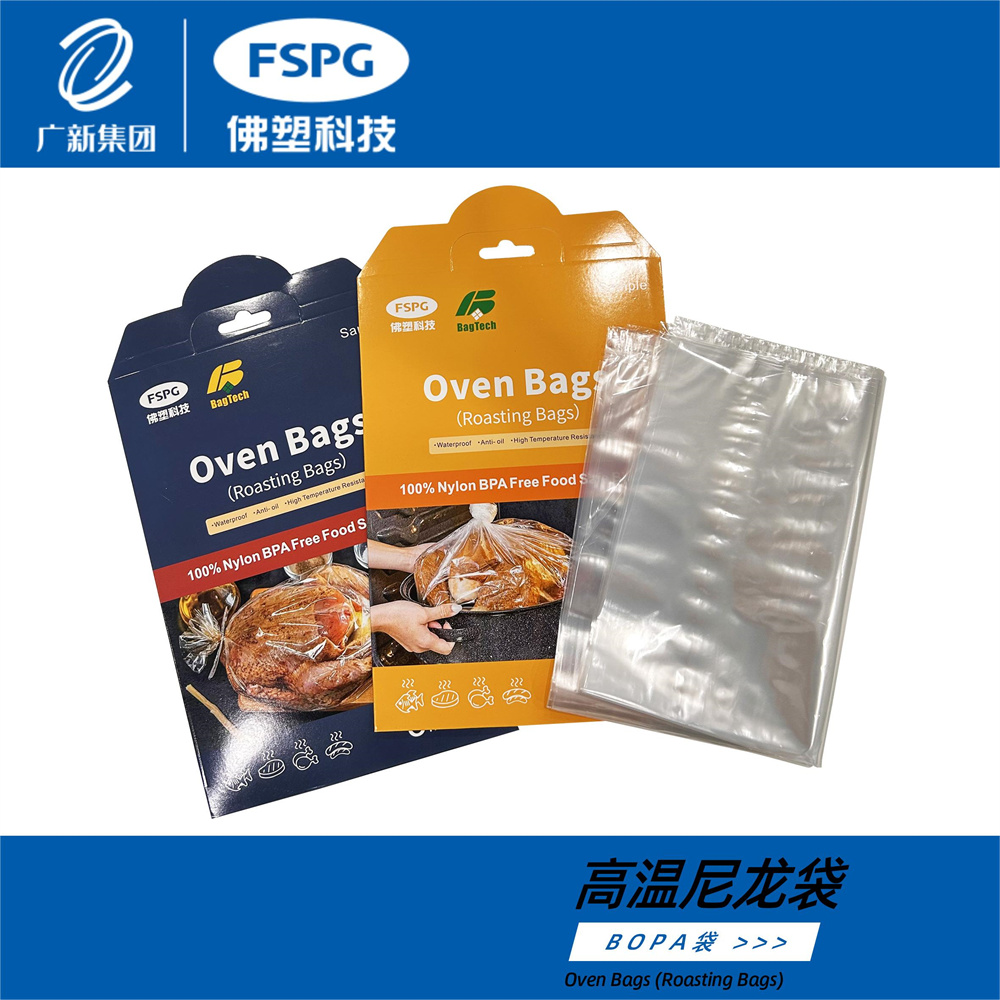
Selecting the right biaxially oriented film requires understanding the thermal and mechanical limits of each substrate. Packaging engineers must justify material selection based on empirical performance data. We compare the three primary films used in flexible packaging to highlight where each succeeds and fails in thermal processing. Relying on assumptions rather than material science leads to high defect rates and compromised food safety.
Material Property | BOPA (Nylon) | BOPET (Polyester) | BOPP (Polypropylene) |
|---|---|---|---|
Melting Point | 220°C - 225°C | 250°C - 260°C | 160°C - 165°C |
Max Operating Temp | 135°C (Retort) | 150°C (High Heat) | 105°C (Hot Fill) |
Puncture Resistance | Excellent | Moderate | Low |
Flex-Crack Resistance | Excellent | Poor | Moderate |
Moisture Barrier | Poor (Hygroscopic) | Good | Excellent |
Biaxially Oriented Polypropylene offers exceptional ambient moisture barrier properties and serves as a low-cost layer for many packaging types. However, its melting point and thermal shrinkage limitations disqualify it from true retort processing. BOPP begins to distort and shrink significantly at temperatures approaching 105°C. If subjected to a 120°C autoclave cycle, the material will melt, causing total package failure. Therefore, its use is strictly restricted to pasteurization or hot-fill applications where temperatures remain safely below its thermal threshold.
When engineers attempt to push BOPP beyond its limits, the results are immediate and visible. The film loses its orientation, shrinking uncontrollably and pulling the entire laminate structure into a wrinkled, distorted mass. This shrinkage exerts massive shear stress on the adhesive layers, causing immediate delamination. Furthermore, the loss of structural integrity means the pouch can no longer contain the internal pressure generated by the heated food product, resulting in burst seals and contaminated retort chambers.
Polyester (BOPET) and polyamide films serve different but complementary roles. BOPET offers better inherent moisture resistance, higher stiffness, and excellent printability. It withstands high heat, making it an ideal outer layer. However, it lacks the flex-crack resistance and toughness required for heavy-duty applications. Biaxially Oriented Nylon Film provides superior toughness, impact absorption, and pinhole resistance. While BOPET might crack under repeated flexing during transport, the nylon core flexes and recovers.
Engineers often combine both materials to leverage the stiffness of polyester and the durability of polyamide. A standalone BOPET structure might survive the retort cycle thermally, but it will fail the subsequent drop tests and vibration testing required for distribution. The rigid nature of polyester makes it susceptible to pinholing when folded or creased. By inserting a nylon core layer, the laminate gains the necessary elasticity to absorb these physical shocks, ensuring the package arrives at the retail shelf intact.
Integrating this material into functional multi-layer laminates requires precise engineering. The core layer must bond flawlessly with outer print webs, barrier foils, and inner sealant layers to achieve specific packaging outcomes. Failure at the lamination stage renders the best raw materials useless.
The classic 3-ply structure consists of PET, BOPA, and RCPP. The outer PET layer provides heat resistance against the sealing jaws and a stable surface for reverse printing. The core nylon layer delivers puncture resistance and mechanical strength. The 4-ply structure adds an aluminum foil layer (PET / AL / BOPA / RCPP) for absolute oxygen and moisture barriers. In both configurations, Retort Cast Polypropylene (RCPP) acts as the food-contact and heat-seal layer. RCPP works in tandem with the core, melting just enough to create a hermetic seal while the nylon maintains the pouch's overall shape.
PET (12µm): Provides thermal resistance for sealing and a high-gloss surface for branding.
AL (9µm): Acts as the absolute barrier against oxygen, light, and moisture.
BOPA (15µm): Serves as the structural backbone, protecting the foil from flex-cracking.
RCPP (70µm - 100µm): Forms the hermetic seal and withstands the 121°C+ sterilization temperatures.
Standard laminating adhesives degrade, yellow, or off-gas during retort cycles. The intense combination of steam, pressure, and heat breaks down conventional urethane bonds. This leads to immediate delamination. High-performance aliphatic polyurethane adhesives are mandatory for these applications. They maintain high bond strength between the core layer and adjacent substrates under extreme heat and moisture. These specialized adhesives resist hydrolysis, ensuring the laminate remains a single, cohesive structure throughout the entire sterilization process and subsequent shelf life.
Applying these adhesives requires strict process control. Coat weights must be precisely calibrated, typically between 3.5 and 4.5 g/m², to ensure adequate coverage without excessive adhesive squeeze-out. Following lamination, the rolls must undergo a rigorous curing process. They are stored in hot rooms at 40°C to 50°C for 48 to 72 hours. This allows the aliphatic polyurethane to fully crosslink, achieving the chemical and thermal resistance necessary to survive the autoclave.
Strong adhesive bonds require high surface energy. Untreated polymer films have low surface energy, causing adhesives to bead up rather than spread evenly. Dual-corona or chemically treated films improve wettability significantly. By treating both sides of the substrate, manufacturers ensure that the aliphatic adhesives anchor deeply into the film's surface. This dual treatment prevents core-layer bond failure, which is critical when the pouch expands and contracts during the pressure changes of the autoclave cycle.
Surface tension must be verified prior to lamination. Operators use dyne pens to confirm the treatment level remains above 50 dynes/cm. If the surface energy drops due to prolonged storage or improper handling, the adhesive will fail to wet out properly. This results in microscopic air pockets between the layers. During retort, the trapped air expands, creating blisters that eventually lead to full-scale delamination and package failure.
Specifying nylon films introduces specific technical risks that packaging engineers must actively mitigate. Understanding how the material behaves under stress allows for robust structural design. Anticipating failure modes is the foundation of reliable packaging engineering.
Delamination occurs when layers separate under intense retort pressure. Specialized lamination techniques and dual-treated films prevent this by ensuring chemical and mechanical adhesion survives the heat cycle. Puncture and bursting happen when internal pressure spikes or the pouch is dropped. Utilizing the high impact-absorption capacity of the polyamide core allows the pouch to survive drop tests and pressure fluctuations. Pinholing and flex-cracking threaten brittle barrier layers like aluminum foil or AlOx/SiOx coatings. The tough, flexible nature of the core layer cushions these fragile barriers, preventing micro-fractures during post-retort transport and retail handling.
To further mitigate these risks, engineers implement strict quality control protocols:
Conduct burst testing on sealed pouches to verify the RCPP seal strength exceeds the internal pressure generated during retort.
Perform Gelbo flex testing on the laminate to ensure the barrier layer remains intact after repeated mechanical stress.
Execute accelerated aging tests to confirm the adhesive bonds do not degrade over the product's intended shelf life.
Polyamide is inherently hygroscopic. It absorbs moisture from the environment. This moisture absorption can affect dimensional stability, cause curling, and temporarily reduce oxygen barrier properties. To mitigate this risk prior to lamination, the film must be stored in climate-controlled environments wrapped in moisture-barrier packaging. In the final laminate structure, outer layers like PET and inner layers like RCPP encapsulate the nylon. This encapsulation protects the core from ambient humidity, ensuring it maintains its mechanical properties without warping.
If the nylon layer absorbs too much moisture before lamination, the water vapor will react with the isocyanate component of the polyurethane adhesive. This reaction generates carbon dioxide gas, creating bubbles within the laminate structure. These bubbles compromise the bond strength and ruin the visual appearance of the pouch. Converters must maintain strict humidity controls in their storage and production areas to prevent this moisture contamination.
Procurement and engineering teams must evaluate the commercial viability of these structures. Balancing performance requirements with material costs ensures the final package is both safe and economically feasible. Over-engineering wastes capital, while under-engineering risks catastrophic failure.
Standard thickness profiles for retort applications typically utilize a 15µm gauge. This thickness provides the optimal balance of toughness and yield. However, advancements in extrusion and orientation technology allow for gauge optimization. Downgauging to 12µm is feasible for certain product categories. This reduces material costs and improves yield per roll. Engineers must conduct rigorous drop tests and burst tests to verify that the thinner gauge still provides adequate puncture resistance for the specific food product being packaged.
When evaluating downgauging opportunities, teams must analyze the specific demands of the product. A lightweight pouch containing a smooth liquid sauce can safely utilize a 12µm nylon core. Conversely, a heavy pouch containing bone-in ribs or sharp crustacean shells requires the full 15µm thickness to prevent punctures. The cost savings of a thinner film are immediately negated if the defect rate increases during distribution.
Materials used in high-temperature food processing must meet strict regulatory standards. Certifications from the FDA and EFSA are mandatory for all films and adhesives in the laminate. The extreme heat of the retort process increases the risk of chemical migration. It is critical to verify extractables and leachables post-retort. The chosen adhesives must be fully cured before sterilization to prevent unreacted monomers from migrating through the RCPP layer into the food product.
Compliance documentation must be maintained for every component of the laminate structure. Suppliers must provide declarations of compliance detailing the specific testing conditions used to verify safety. Packaging engineers must ensure that the testing parameters match or exceed the actual retort conditions the pouch will experience in production. Failure to validate these compliance metrics exposes the manufacturer to severe legal and financial liabilities.
Specify BOPA for heavy-weight pouches, bone-in products, and extreme supply chain environments where physical failure is not an option.
Request technical data sheets (TDS) from your film supplier to verify thermal shrinkage rates and surface tension levels.
Review adhesive compatibility with your converter to ensure aliphatic polyurethane systems are utilized for all retort laminations.
Initiate pilot retort testing to validate bond strengths and dimensional stability under your specific autoclave conditions.
A: It maintains structural stability up to 135°C, depending on the specific grade and the surrounding lamination structure used in the pouch.
A: RCPP acts as the high-heat sealant layer that safely contacts the food, while the nylon provides the necessary mechanical backbone and puncture resistance.
A: While it has moderate gas barrier properties, it is usually paired with aluminum foil or coated PET to meet the high-barrier requirements of retort packaging.
A: Treating both sides of the film increases surface energy. This ensures robust adhesive bonding with adjacent layers and eliminates delamination issues during thermal processing.
A: Yes, it is frequently used in microwaveable structures, provided the barrier layer is non-metallic, such as AlOx or SiOx coatings instead of aluminum foil.
A: Incorrect adhesive selection, insufficient adhesive curing times, or moisture contamination in the nylon layer prior to lamination are the primary culprits for delamination.
A: It maintains flexibility and impact strength in sub-zero environments down to -60°C. This makes it ideal for packages transitioning directly from frozen storage to high-heat sterilization.


